At first glance, critical infrastructure projects can look similar to standard electrical installations. Cabling is installed, power is connected, systems are tested.
The difference is in what happens if something goes wrong.
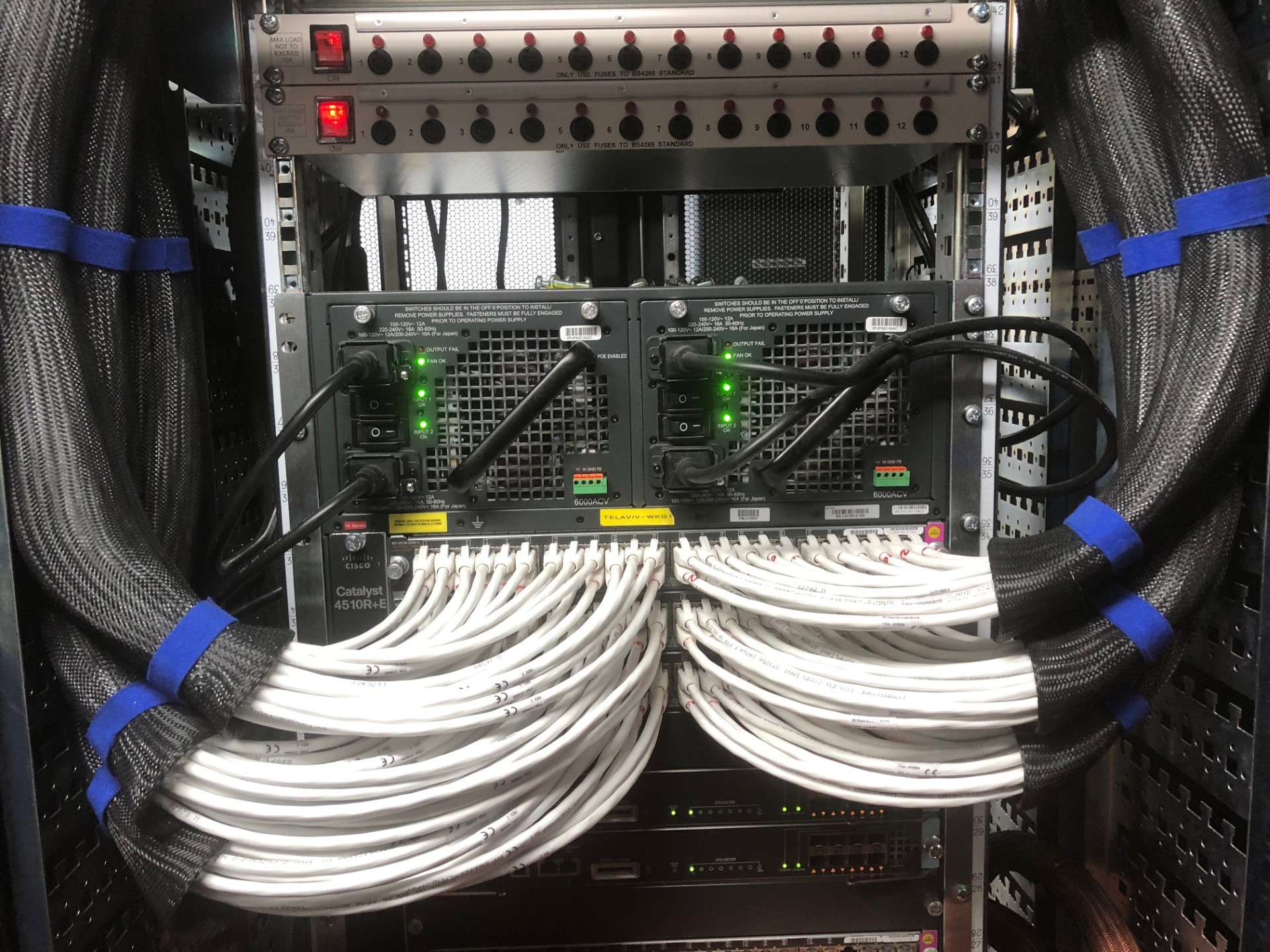
In a standard environment, disruption is inconvenient. In a critical environment, it can stop operations completely. Data centres, telecoms facilities, server rooms and essential services all rely on systems staying live while work is taking place around them.
That changes the way projects are planned from the beginning.
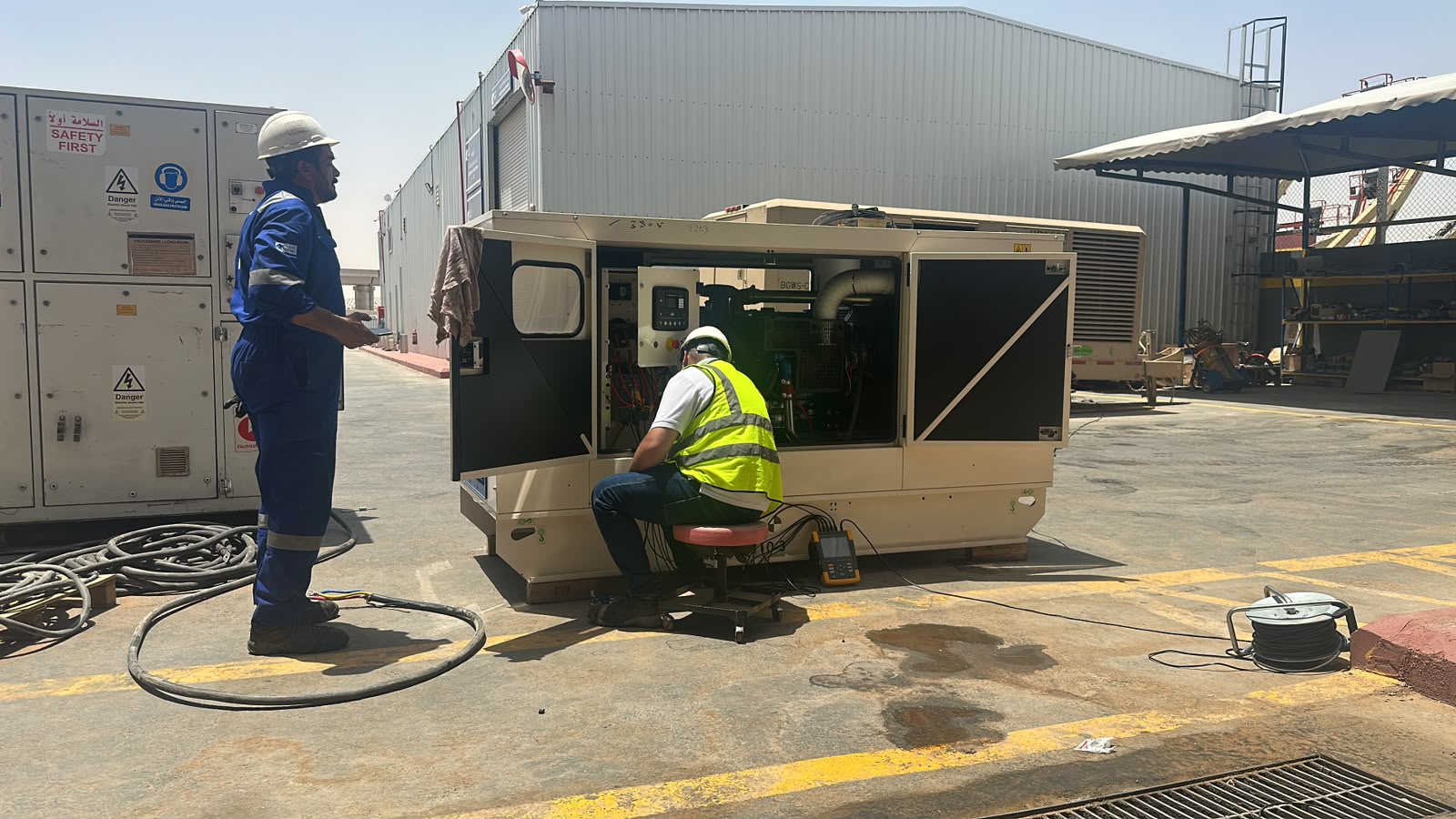
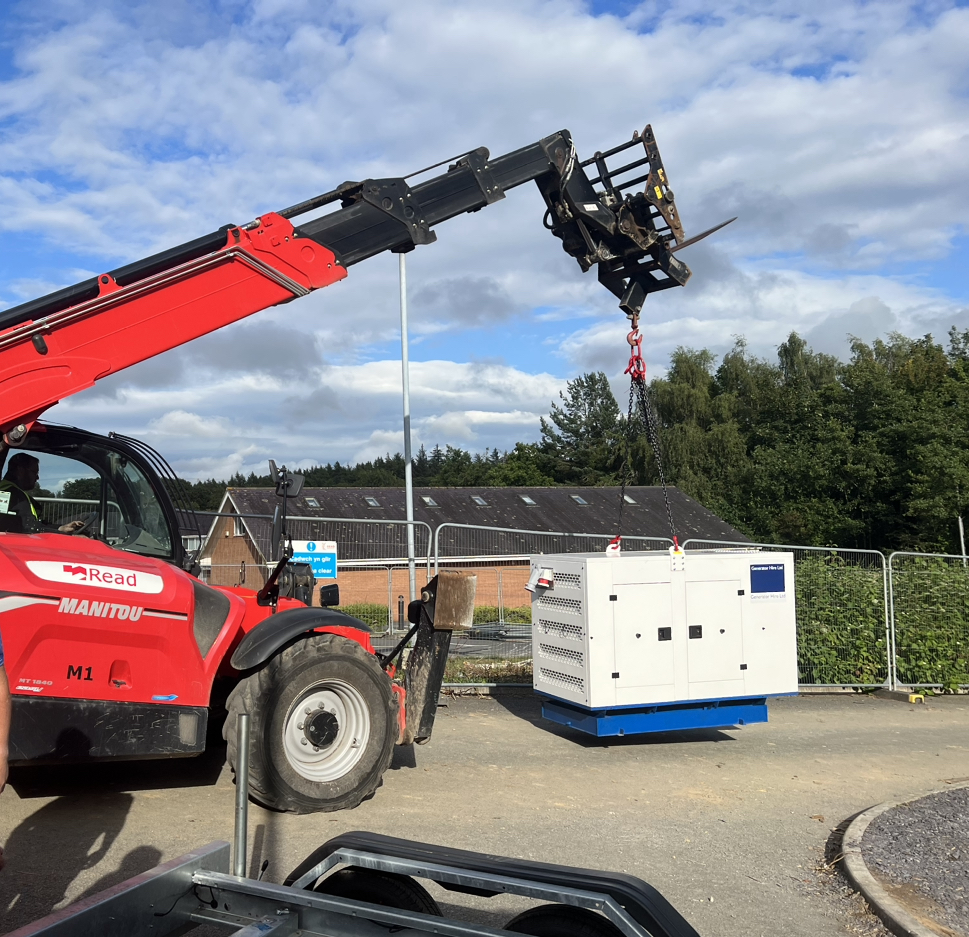
Mission critical electrical works are built around resilience. Redundancy is considered before installation starts. Temporary systems are often introduced before existing infrastructure is touched. Shutdowns, if they are allowed at all, are tightly controlled and carefully timed.
There is also a different level of testing involved. In many standard projects, testing confirms that something works. In critical environment installations, testing is used to prove how systems behave under pressure, during transfer events and under changing load conditions.
The margin for error becomes much smaller.
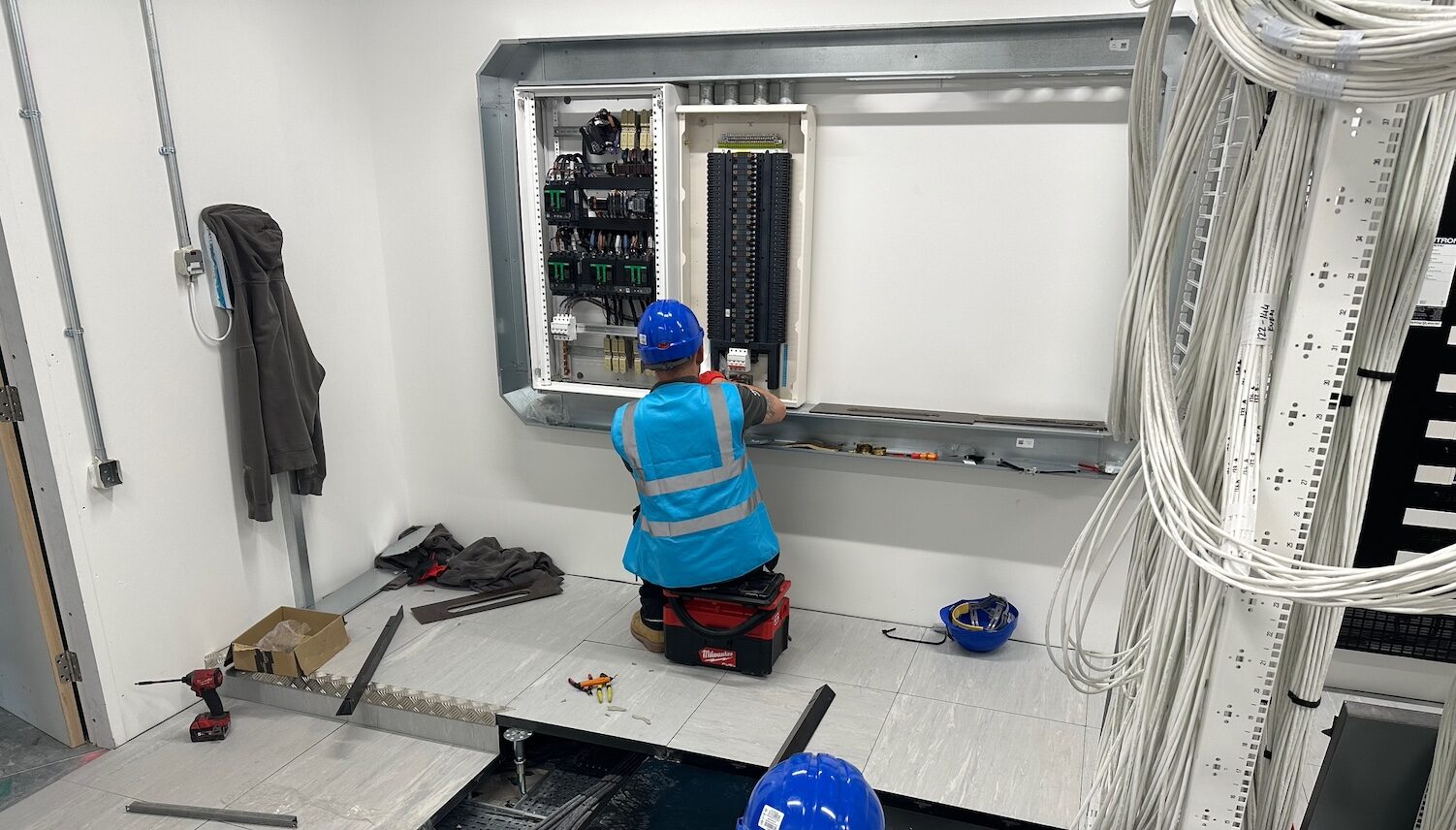
Communication matters just as much as technical delivery. Facilities teams, operations staff and engineers all need visibility throughout the process because even minor changes can affect wider systems. Small decisions carry more weight in live environments.
Critical infrastructure contractors also spend more time thinking about failure scenarios. What happens if a temporary supply drops out? What happens if load shifts unexpectedly? Planning for those situations is part of the work, not an afterthought added later.
From the outside, the finished installation may not look dramatically different from a standard project. The real difference sits behind the scenes in the planning, sequencing, testing and risk control that made the work possible without disruption.
That is what separates critical infrastructure work from ordinary electrical installation.