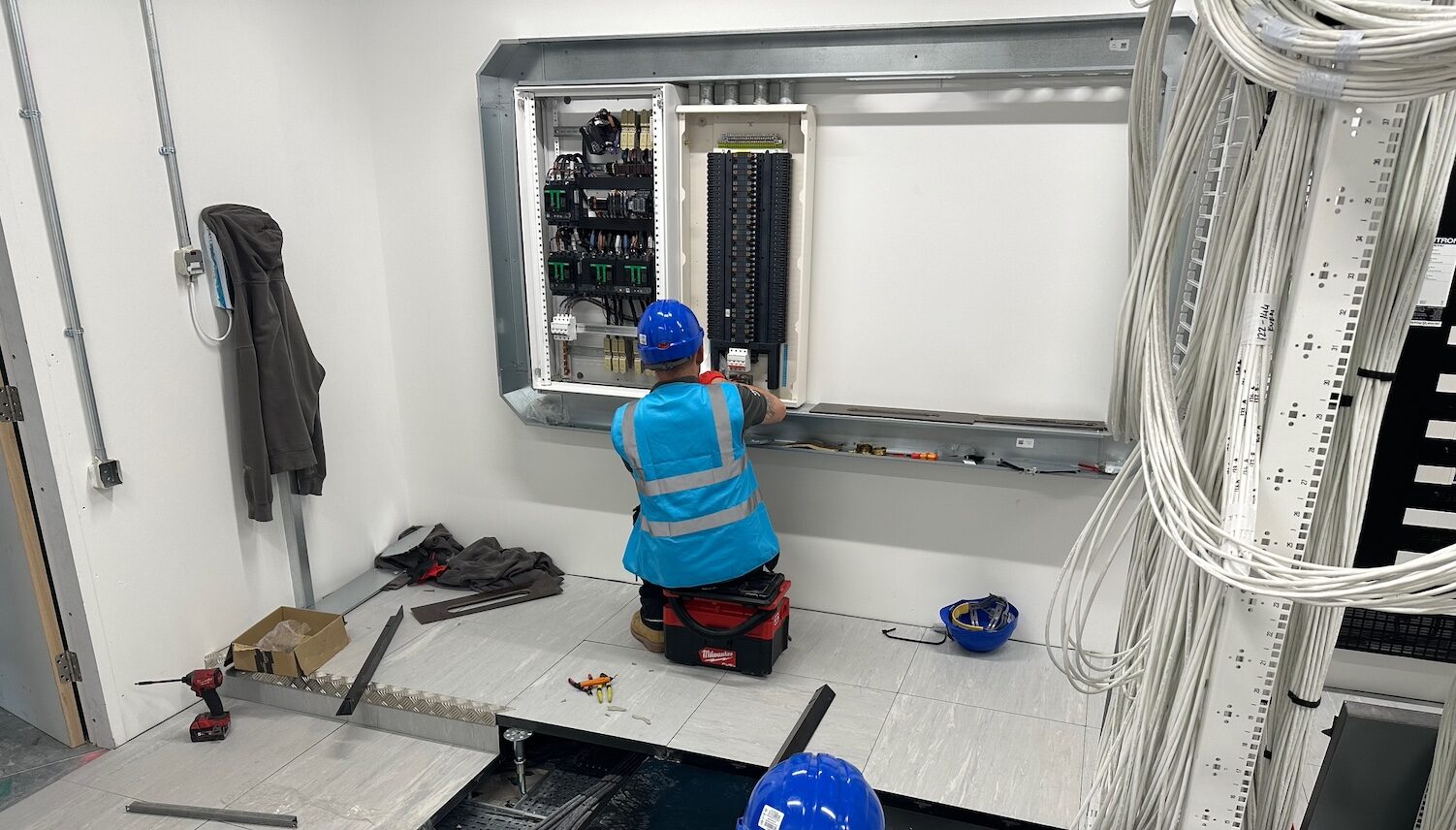
Upgrading electrical infrastructure in a live building requires a different mindset from working on an empty site. Power cannot simply be switched off and replaced. Operations must continue, systems must remain protected and risk must be managed at every stage.
Live site electrical works start long before any tools arrive on site. Detailed surveys are carried out to understand existing loads, dependencies and operational constraints. Critical circuits are identified. Phasing plans are created. Temporary supplies or backup systems are arranged where necessary.
When working in occupied buildings, communication is as important as technical skill. Facilities teams, IT departments and other contractors need clear visibility of what is happening and when. Short shutdown windows are often planned outside normal hours to minimise disruption.
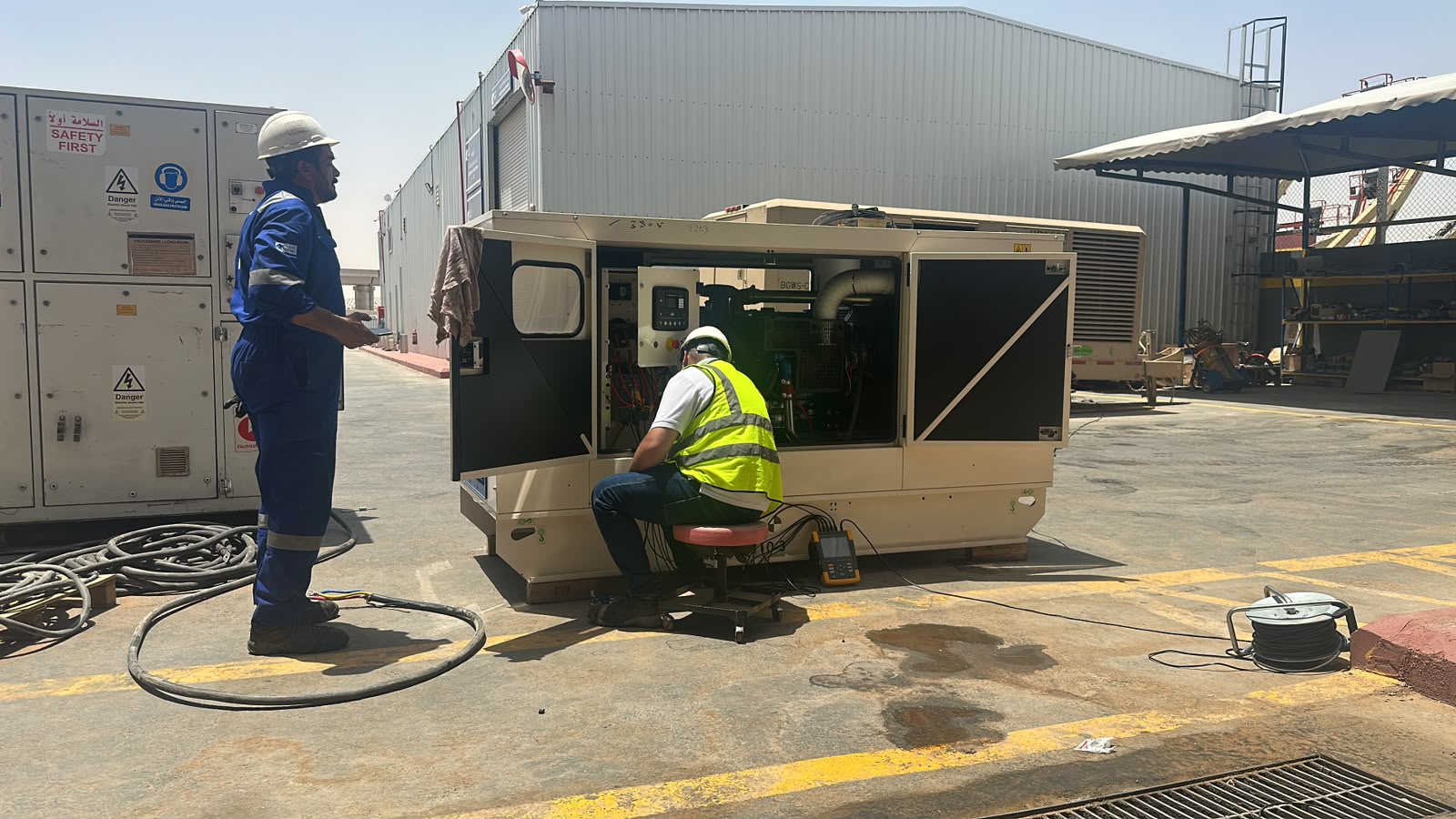
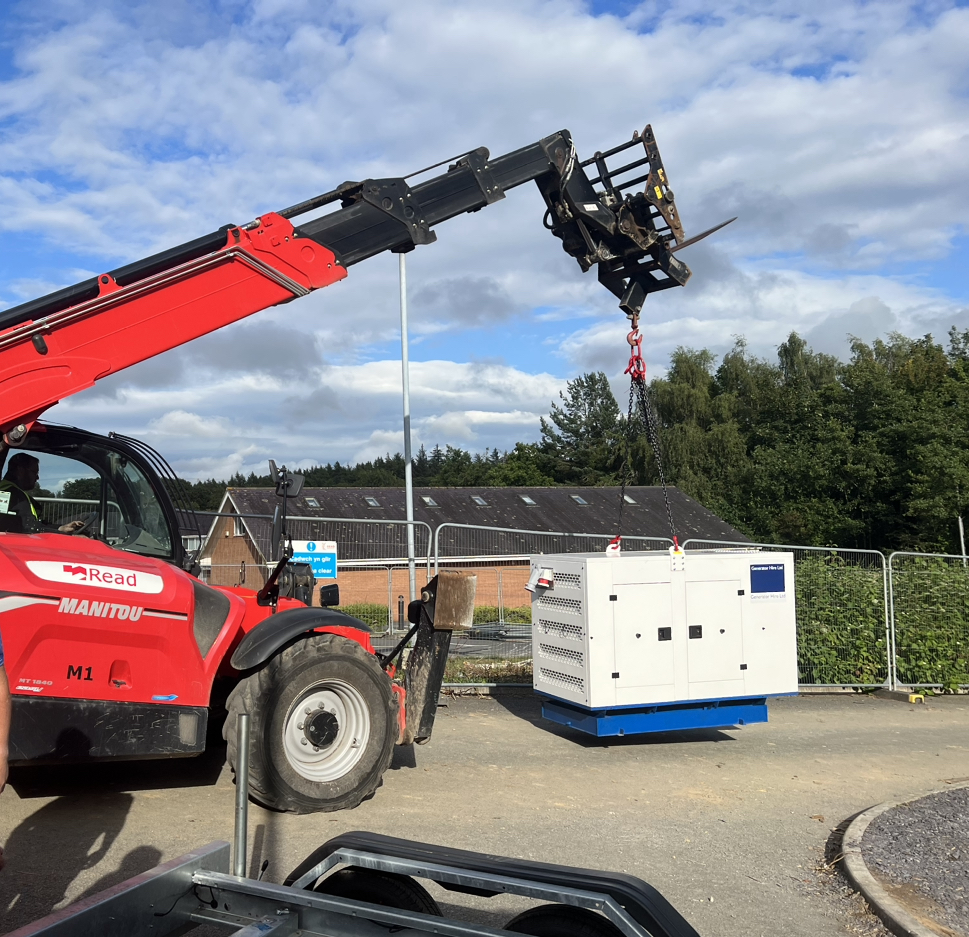
Phased generator replacement is a common example. Instead of removing old equipment in one go, systems are isolated in stages. Temporary generation may be installed to maintain resilience. New equipment is commissioned and tested before final switchover takes place.
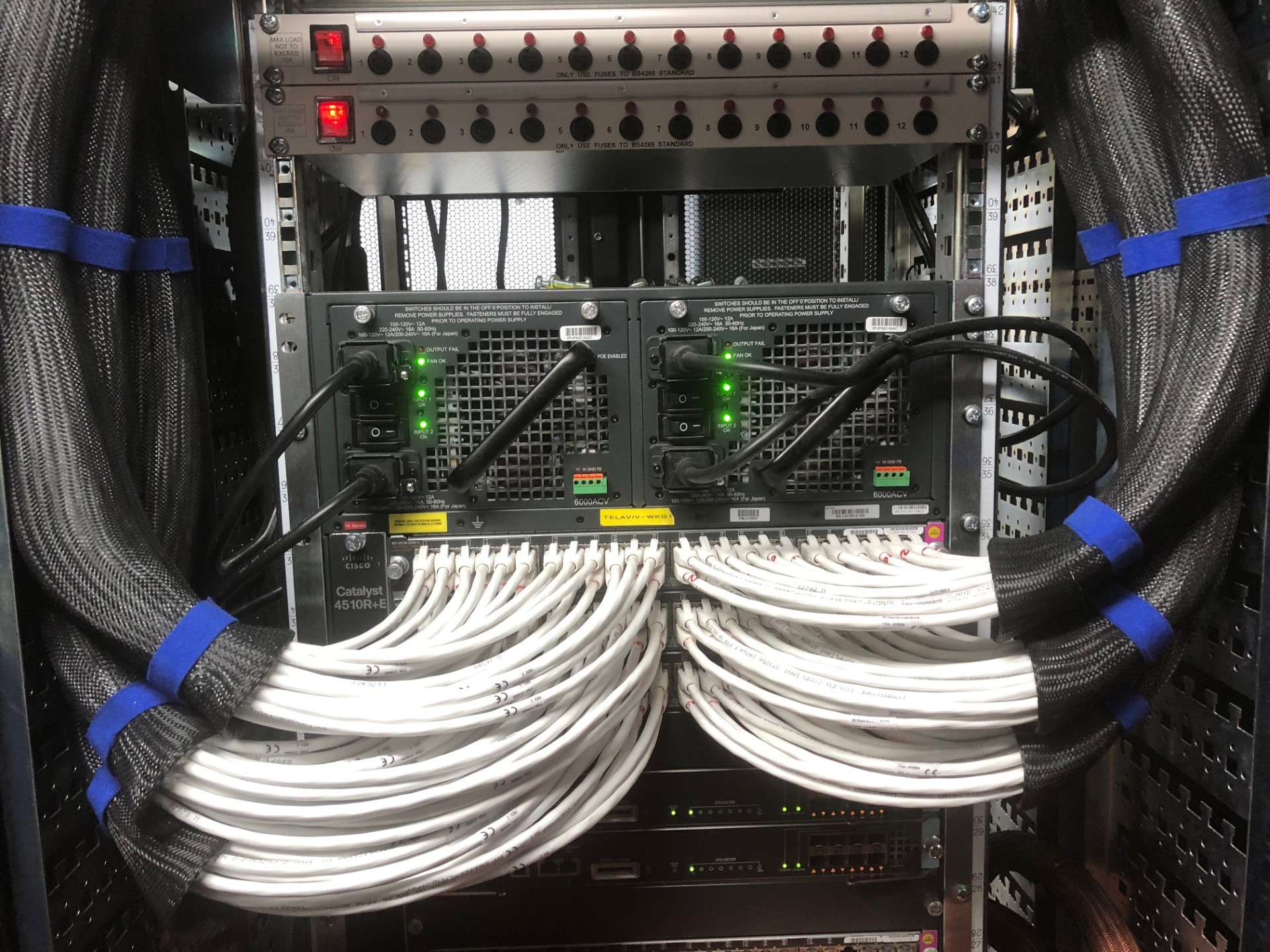
Every step is controlled. Isolation procedures are documented. Risk assessments are reviewed continuously. Engineers remain aware that behind every cable and control panel there is a business relying on uninterrupted service.
The difference between disruption and smooth delivery is planning. Live site working demands patience, discipline and coordination. When done properly, infrastructure can be upgraded without users ever noticing the scale of work taking place behind the scenes.