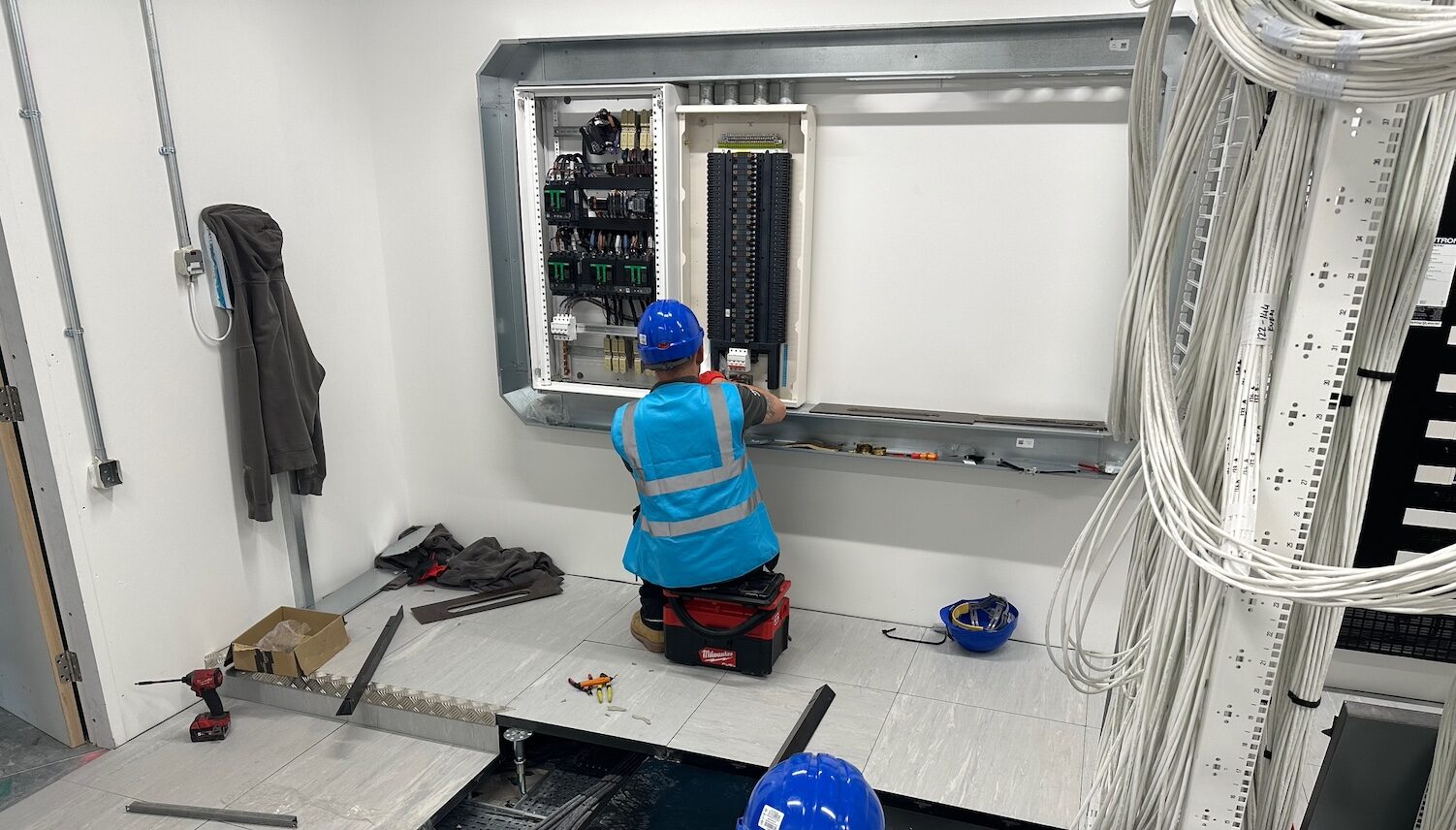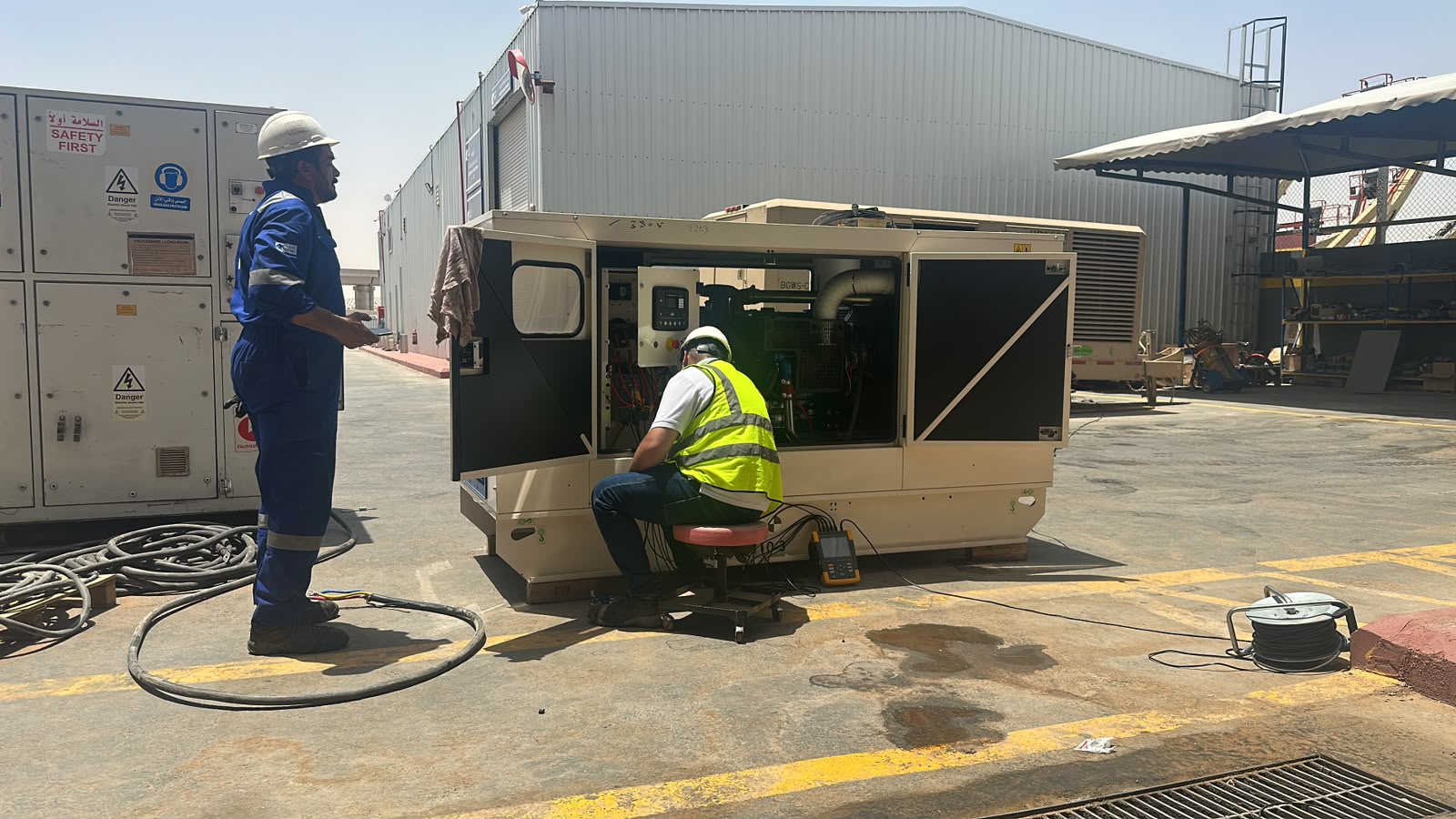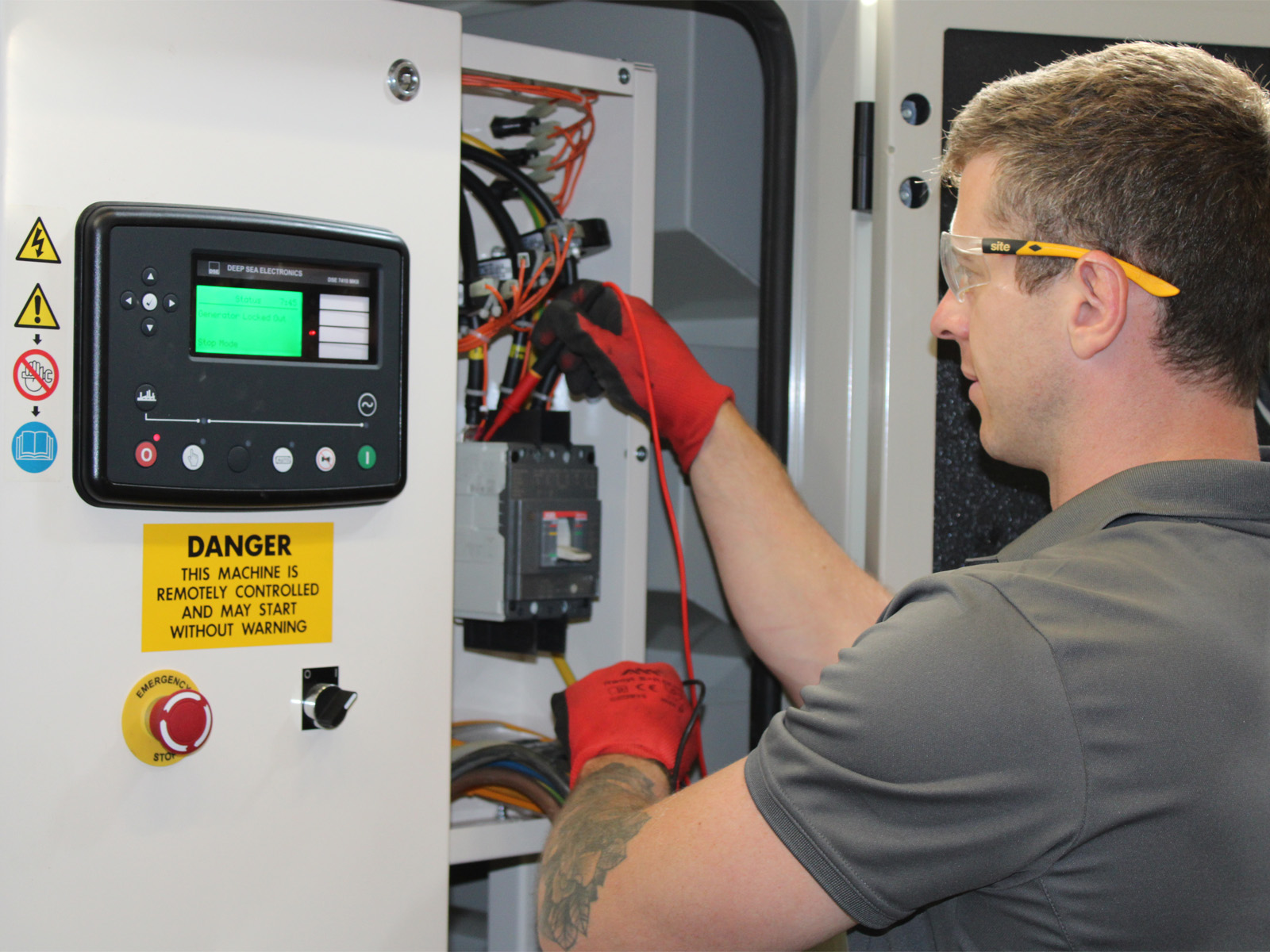
For businesses relying on electrical, power, cooling, or data‑critical infrastructure, proactive maintenance is essential.
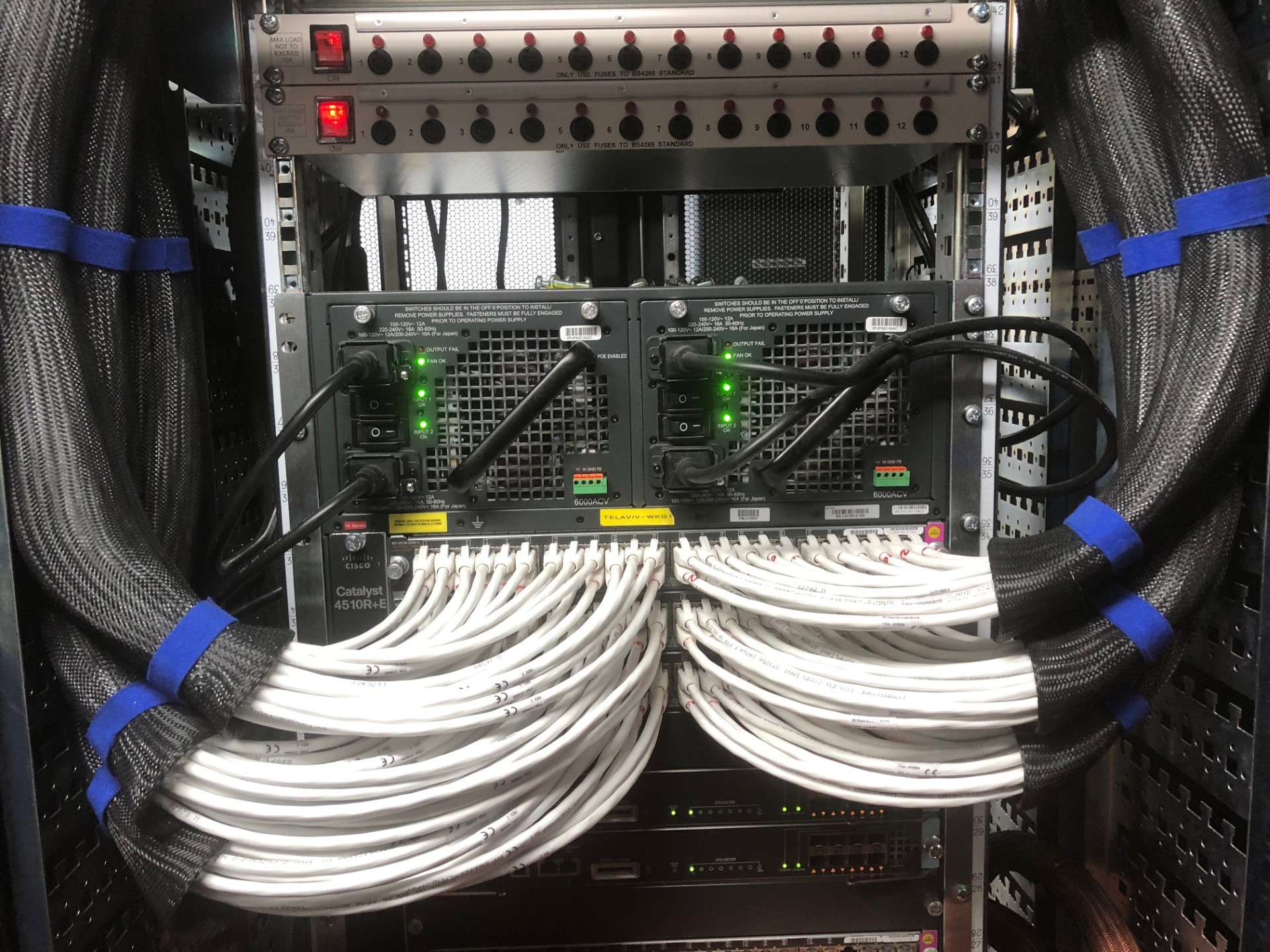
Across commercial offices, data centres, telecoms, and industrial environments, your infrastructure is only as reliable as the planning behind it. We see firsthand how preventive maintenance keeps organisations running smoothly and protects the systems they rely on every single day.
So, why do we recommend this?
- Reduced Equipment Downtime
Unexpected failures are disruptive, costly, and avoidable (most of the time). Preventive maintenance means equipment is regularly inspected, tested, and serviced before issues can escalate. This reduces unplanned outages and keeps your operations productive. This is a priority we emphasise across all infrastructure projects, from power distribution to cooling systems.
- Lower Long-Term Operating Costs
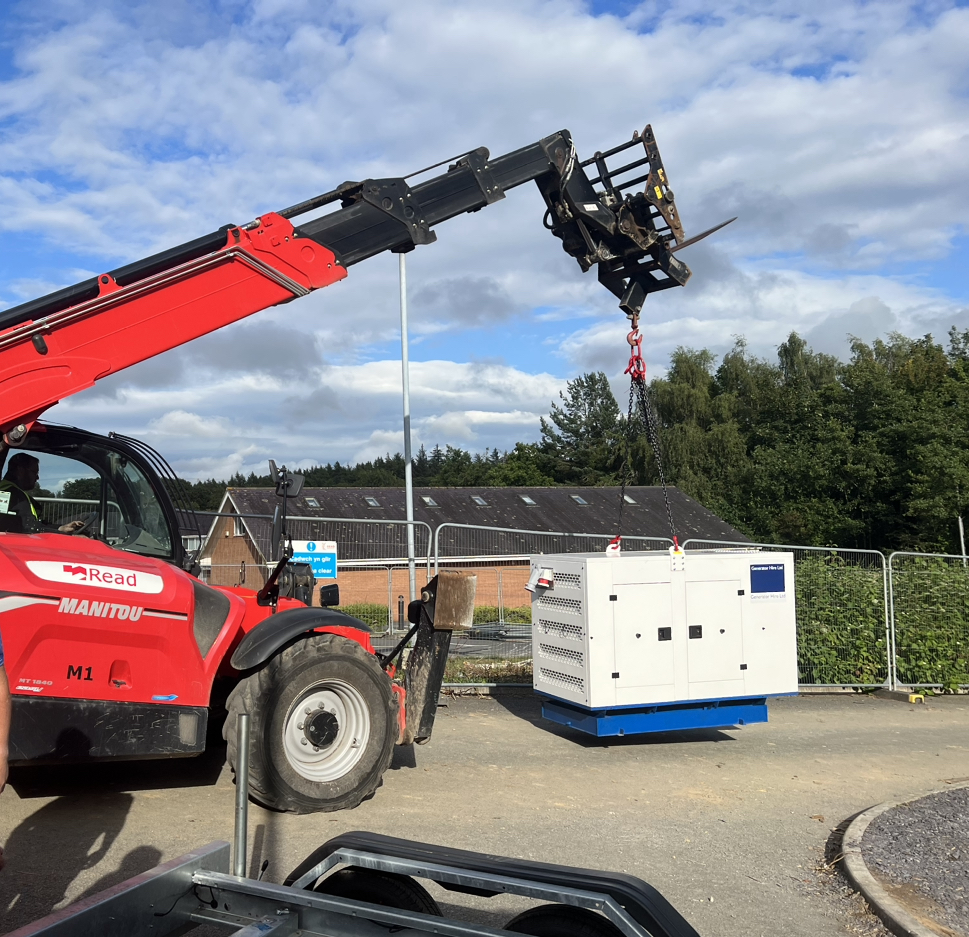
Emergency repairs are almost always more expensive than planned maintenance. A structured preventive maintenance programme spreads costs predictably across the year, prevents major component failures, and reduces energy waste from poorly performing systems. Over the lifecycle of UPS units, generators, cooling systems, and cabling infrastructure, these savings will add up significantly. A single emergency call-out can cost 2-3 times the price of a planned, routine maintenance visit. Obviously, this does depend on the type of asset being serviced.
- Extended Asset Lifespan
With this kind of equipment, you honestly do get back what you put in. Regular servicing helps equipment run at peak efficiency for longer, maximising return on investment. Be it a structured cabling network or air‑conditioning unit, preventive maintenance helps ensure your assets deliver long-term reliability.
- Improved Safety & Regulatory Compliance
Faulty electrical systems and neglected cooling units present real safety and compliance risks. Preventive maintenance keeps assets aligned with industry standards, reduces the likelihood of hazards, and ensures your critical infrastructure meets the expectations of insurers, auditors, and regulatory bodies.
Read more on warning signs for electrical infrastructure failure.
- Greater Operational Efficiency
Well-maintained equipment is more efficient due to:
- Generally lower energy consumption
- Fewer performance issues
- More stable environments for IT and telecoms
- Better continuity for business operations
Reliable infrastructure supports reliable work, and preventive maintenance is key to achieving this.
From our experience with our clients, investing in preventive maintenance is the best way to improve the reliability of your equipment and reduce any costly and unexpected repair bills. It adds up!