Working Within Limited Space and Existing Infrastructure
When working in city centre buildings, it rarely follows a clean plan. What looks straightforward on paper tends to shift once you are on site. Access changes. Space disappears. Timelines tighten.
Installing infrastructure in these environments is not just about technical ability. It is about adapting to the building, the surroundings and the restrictions that come with both.
Access Is Never Simple
Getting equipment to site is often the first hurdle.
City centres are not built for large deliveries. Narrow streets, restricted loading bays and limited parking all add pressure before work has even started. Timing becomes critical. Deliver too early or too late and the whole schedule can slip.
In some cases, equipment has to be broken down just to get it inside, then reassembled once it reaches its final position. What sounds like a simple delivery becomes a job in itself.
Working With Limited Space
Once inside, space is rarely on your side.
Plant rooms are often tight, sometimes already filled with existing equipment. There is little room to move, and even less room for error. Every component needs to be measured, planned and positioned carefully.
You are not installing into an empty environment. You are working around systems that are already live and often critical to daily operations.
Noise and Time Restrictions
Urban projects come with rules that cannot be ignored.
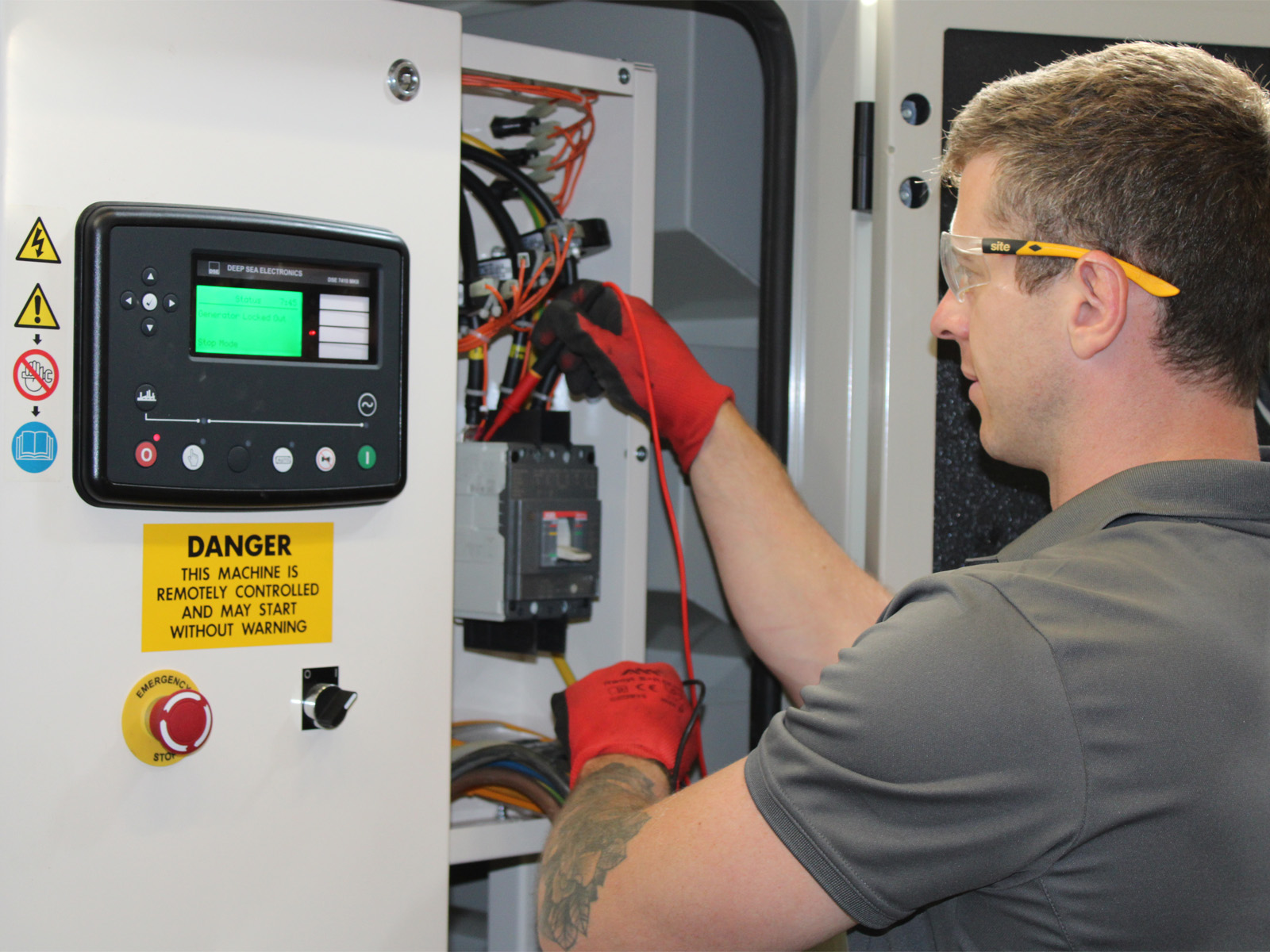
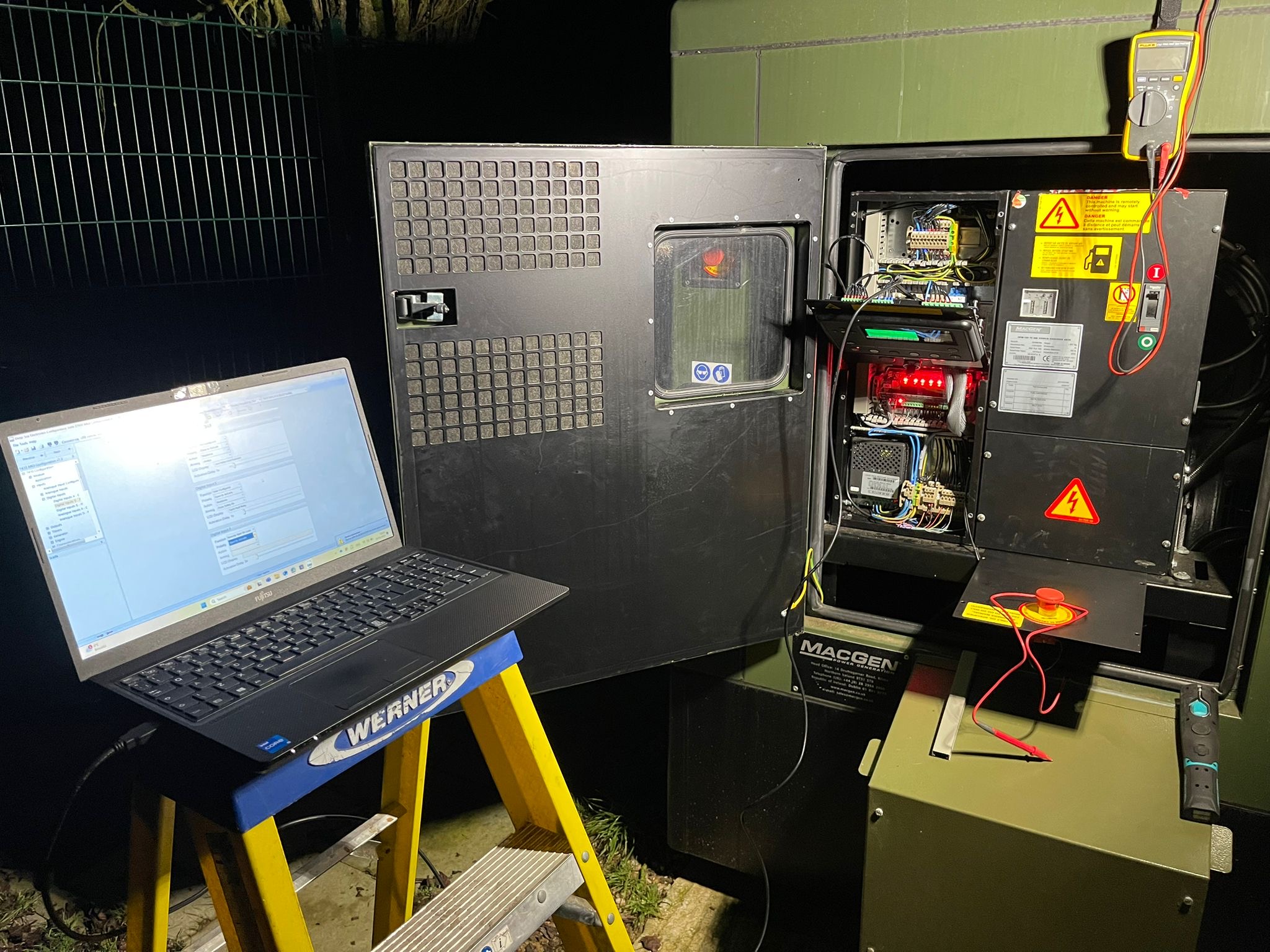
Noise limits can restrict when certain tasks are carried out. Drilling, lifting or testing equipment like generators cannot always happen during normal hours. That pushes work into evenings or weekends, which then affects coordination and planning.
Time windows become smaller, and the margin for delay disappears quickly.
Live Environments Change Everything
Most city centre buildings are still in use while work is being carried out.
Offices, retail spaces, data rooms. They do not shut down just because upgrades are needed. That means systems must stay operational while changes are made.
This is where restricted access electrical works become more about control than speed. Power cannot simply be switched off. It has to be managed, phased and protected at every stage.
It Comes Down to Planning
City centre generator installation and infrastructure upgrades are not difficult because of the equipment. They are difficult because of everything around it.
Access, space, timing, coordination. Each one adds pressure. Together, they define the project.
When it is handled properly, the end result feels straightforward. Systems are upgraded, disruption is minimal and the site keeps running.
What sits behind that is planning, experience and a clear understanding that in these environments, there is very little room to get things wrong.