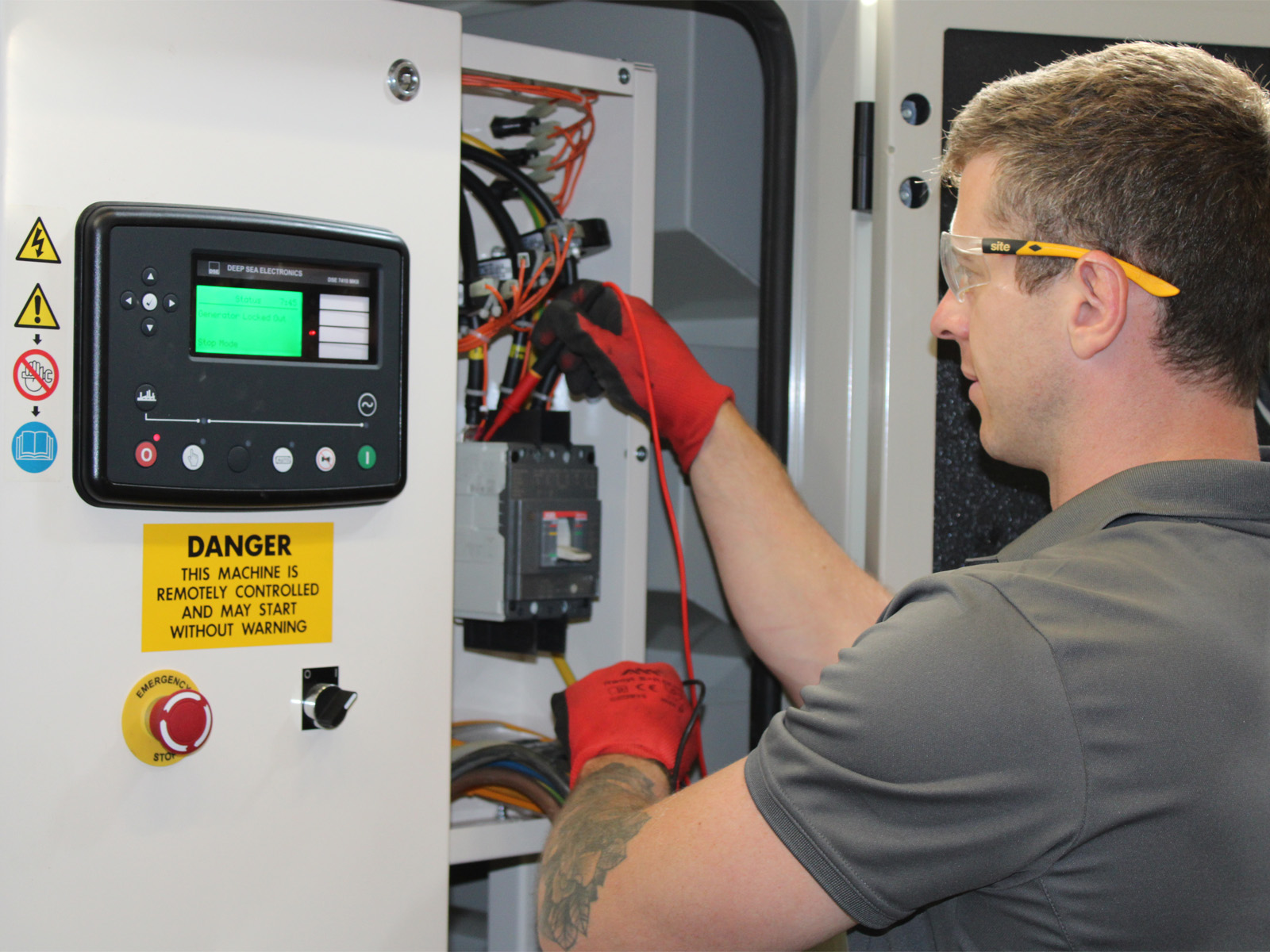
Electrical infrastructure systems work in the background of day-to-day business. Yet maintenance of these systems is often overlooked, even though electrical failures can disrupt work, raise safety concerns, and cost serious money.
But most failures can be spotted and prevented before they happen. If you know what to look out for, you can step in, deal with issues properly and avoid bigger disruptions and costs.
Here are the key warning signs to look out for:
- Circuit Breaker Trips or Blown Fuses
Circuit breakers and fuses are designed to protect electrical infrastructure. Frequent tripping is a clear warning sign that these systems need to be monitored or fixed.
What can cause this?
- Overloaded or unbalanced circuits
- Ageing cabling or insulation
- Faulty electrical equipment
- Infrastructure running above capacity
Ongoing issues like circuit breaker trips or blown fuses suggest that reactive repairs aren’t going to solve the problem in the long run. We recommend setting up a proper schedule for the maintenance of this electrical infrastructure.
- Unusual Electrical Noises, Heat, or Smells
Healthy electrical infrastructure should operate quietly in the background and without excessive heat.
Some things to look out for:
- Buzzing or humming sounds from panels/switchboards
- Burning smells
- Warm sockets, switches, or distribution boards
These signs could mean that there are wider issues like loose connections, arcing, or degrading components – all of which increase fire risk and require a quick investigation.
- Flickering Lights / Unstable Power Supply
From our experience, consistent flickering or dimming lights are often the first sign of problems with electrical infrastructure.
Potential causes:
- Unstable voltage
- Systems that are now too small or old
- Failing transformers or switchgear
- Not enough grounding
Faulty power supply can damage equipment and disrupt business operations in the long term, so this would be a key problem to flag with an electrical engineer sooner rather than later.
- Old Electrical Infrastructure
Electrical assets do have a limited lifespan, and, over time, heat and load demands can lower performance and reliability. Not to mention, obsolete components are difficult to replace.
What to look out for:
- Equipment exceeding recommended lifespan
- Infrastructure not compliant with current standards
Regular, planned upgrades delivered through a professional infrastructure service can help reduce this risk and are typically safer, more cost-effective, and less disruptive than emergency replacements.
- Increased Maintenance Call-Outs and Downtime
If you are experiencing a rise in electrical faults or temporary repairs, your infrastructure is likely declining.
Pay attention to:
- Faults in the same areas
- Increasing maintenance costs
- Increased short-term fixes
At this stage, we’d always recommend a shift from reactive repairs to a more strategic approach with regular infrastructure maintenance. This will save you a costly bill in the long run.
Electrical infrastructure failure can seem sudden at the time. But it is usually the result of a long period of ageing components, increasing demand, and delayed maintenance. Be prepared – identify these early warning signs and invest in proactive electrical infrastructure services. You’ll reduce safety risks, downtime and hefty costs.
The team here at BCPML can help you to identify these risks early and maintain your electrical infrastructure. If you’d like to learn more, contact us.