If you’ve ever walked into your server room and felt the heat hit you like a wall, you’re not alone. But here’s the thing – if it’s uncomfortable for you, it’s probably risky for your equipment.
Server rooms and comms rooms generate serious heat. And with today’s tech demands, old-school cooling just doesn’t cut it anymore. Regulations are tightening, energy costs are rising, and systems are becoming more sensitive to temperature spikes. That means cooling compliance isn’t just a nice to have, it’s essential.
So, what are the basics?
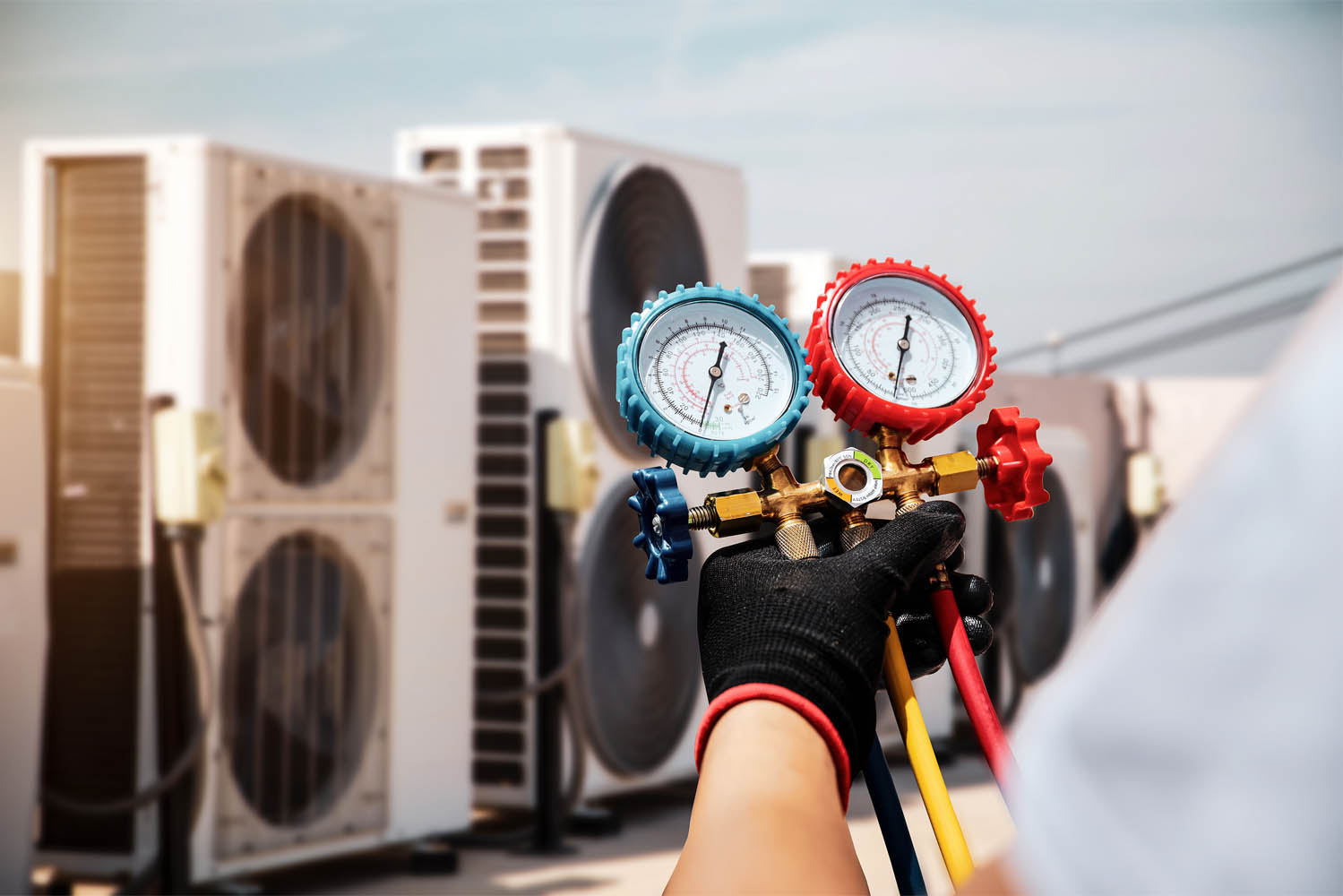
For starters, the right server room air conditioning setup should maintain stable, optimal temperatures typically between 18–27°C. It should also manage humidity, reduce hotspots, and provide redundancy in case of failure. A single wall-mounted unit might not be enough if you’re dealing with stacked cabinets and dense kit.
Comms room air conditioning is equally important, especially if you’ve got switches and routers humming away 24/7. Overheating leads to slowdowns, crashes, and sometimes total shutdowns.
Energy-efficient cooling matters too. New systems can save you money in the long run, and in some cases, failing to upgrade could mean you’re not meeting compliance standards, especially if you’re handling sensitive data.
Not sure if your setup is up to scratch? You’re not alone. Plenty of businesses are still running on legacy cooling solutions that aren’t fit for purpose anymore.
We work with offices, SMEs, and IT teams across Sussex and the South East to review, upgrade, and install server room and comms room air conditioning that meets today’s standards without blowing your budget.
Thinking your setup needs a second look? Chat to us